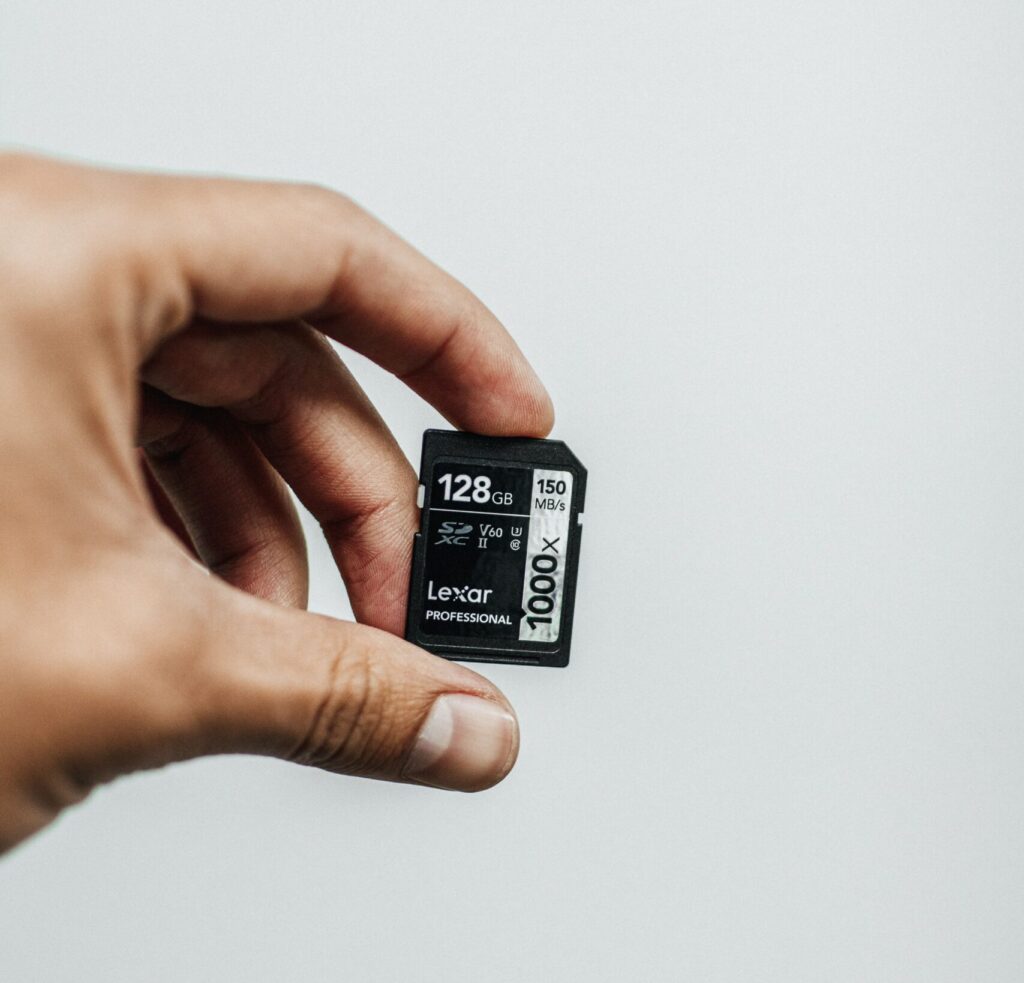
A growing challenge in modern investigations is the explosion of digital evidence. In From Powder to Pixels: Taming the Digital Beast at the Crime Scene, forensic video analyst David Spreadborough argues that today’s crime scenes contain not only traditional evidence such as fingerprints, DNA, and bloodstains, but also vast amounts of digital media from surveillance systems, doorbell cameras, cloud storage, and smartphones. As a result, investigators increasingly need digital evidence collection skills alongside traditional forensic techniques.
The article highlights a common misconception that video evidence is simple to collect because it is “just a file.” In reality, surveillance footage often exists in proprietary formats, uses specialized codecs, and may be stored on aging recording systems that can be difficult to access. Improper handling can result in lost metadata, degraded image quality, or the permanent loss of valuable evidence.
The author stresses four key principles for handling digital video evidence:
- Treat digital video as physical evidence, with the same rigor applied to documentation, chain of custody, and evidence management.
- Preserve volatile data quickly, since many video systems continuously overwrite older recordings.
- Ensure proper decoding and playback, because proprietary video formats may require specialized tools to maintain evidentiary integrity.
- Create and verify forensic copies, including cryptographic hashing, to demonstrate that evidence has not been altered.
A major theme of the article is the importance of maintaining evidentiary integrity from the moment digital evidence is identified. The author warns against shortcuts such as recording surveillance footage with a cellphone or exporting files without understanding the underlying system. These practices can introduce compression artifacts, reduce quality, and create challenges for forensic analysts and courtroom presentation.
Ultimately, the article argues that as digital technology becomes embedded in everyday life, crime scene personnel must evolve from traditional evidence collectors into capable digital first responders. Proper acquisition, preservation, and verification of video evidence can significantly strengthen investigations while ensuring the evidence remains admissible and reliable in court.
This post summarizes: David Spreadborough, Senior Forensic Video Analyst, Amped Software, “From Powder to Pixels: Taming the Digital Beast at the Crime Scene,” Forensic®, September 21, 2026.