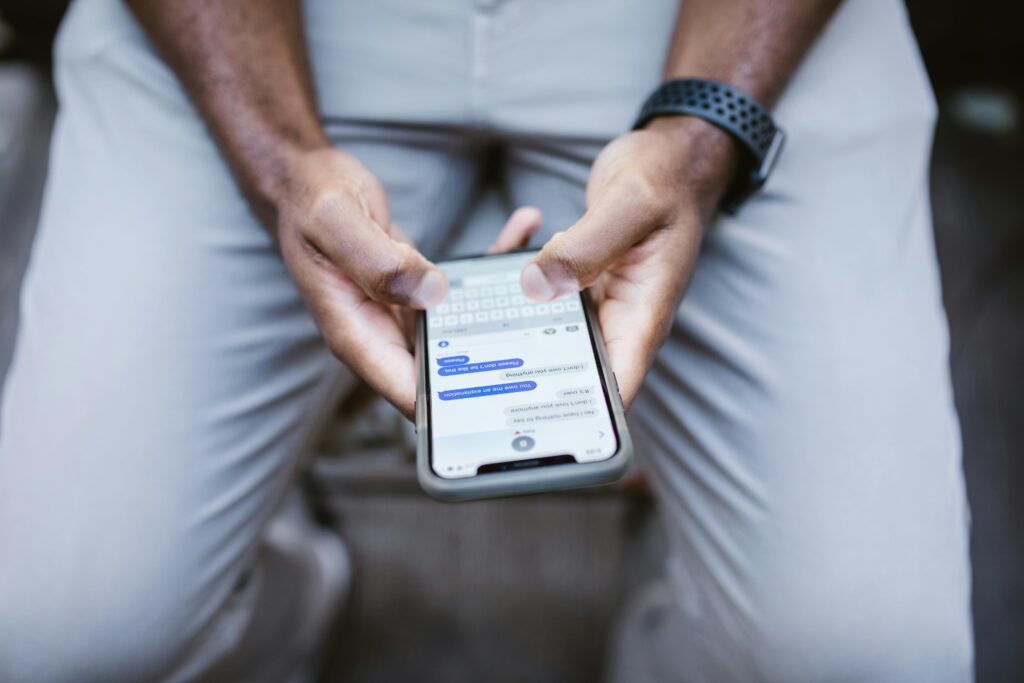
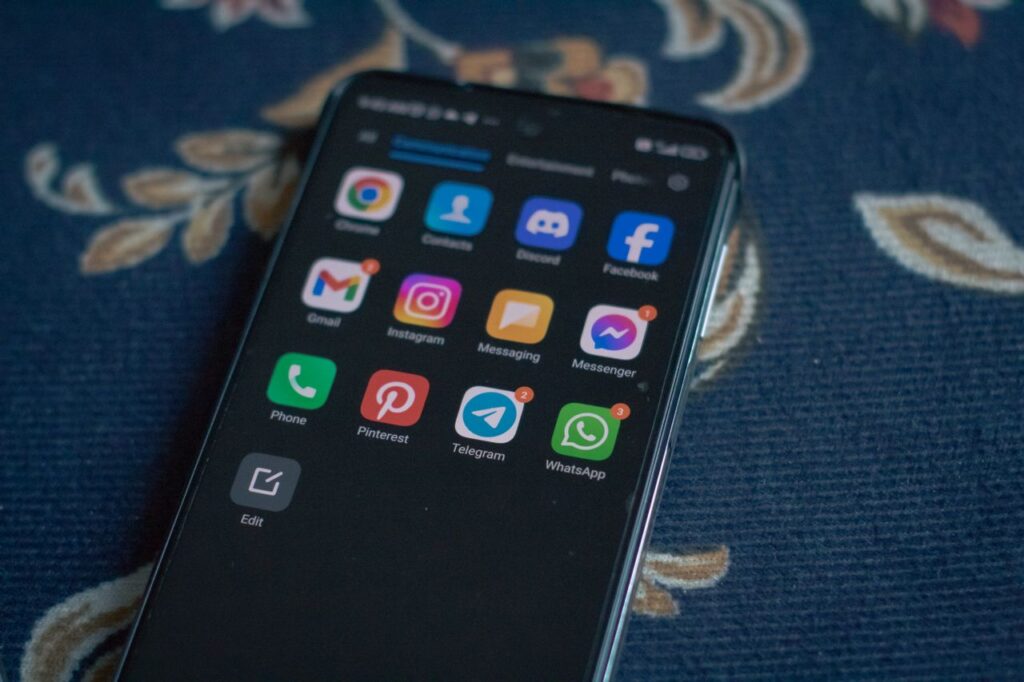
The article highlights how third-party mobile applications have become one of the richest sources of digital evidence in modern investigations. […]
Hidden in Plain Sight: Why Third-Party Apps Are a Treasure Trove for Digital Investigations

A TechRadar analysis examines how the rise of AI-generated content and sophisticated deepfakes is challenging long-held assumptions about the authenticity of digital evidence. […]
Read More… from Deepfakes Raise New Questions About the Reliability of Digital Evidence
Defense attorney Kevin Reddington highlighted records showing searches related to hallucinations, intrusive thoughts, and mental health symptoms, while questioning whether some of the prosecution’s evidence actually connected to Clancy herself. […]
Read More… from Defense Pushes Back on Digital Trail in Lindsay Clancy Murder Trial
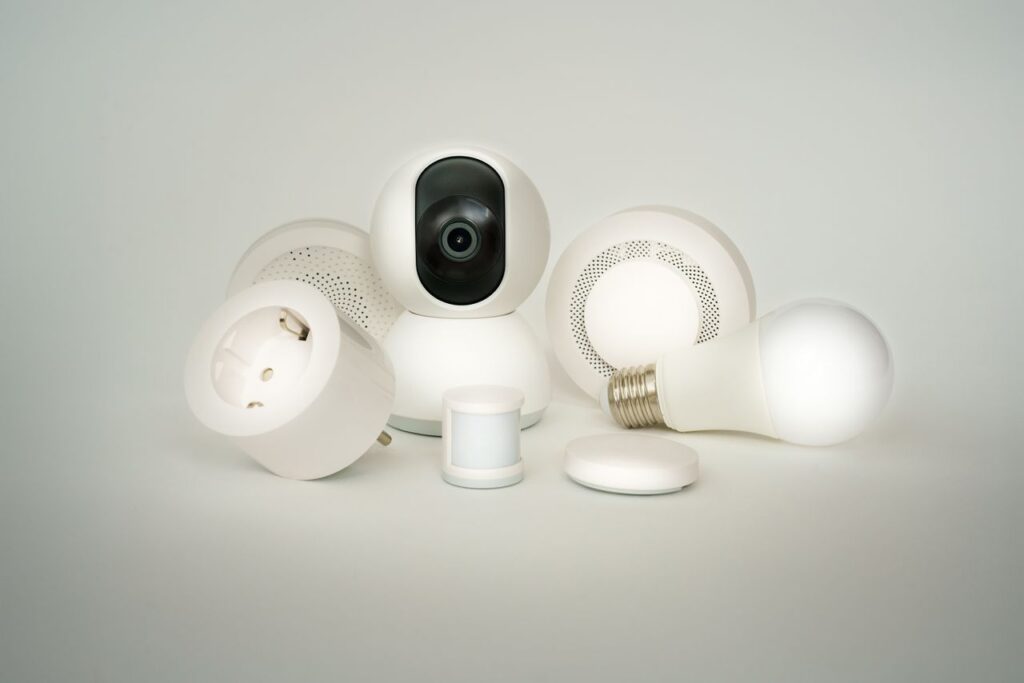
Today’s connected devices—smartphones, doorbell cameras, smart speakers, thermostats, and even household appliances—are continuously collecting data in the background. […]
Read More… from Always On, Always Recording: The Investigative Power of Smart Technology
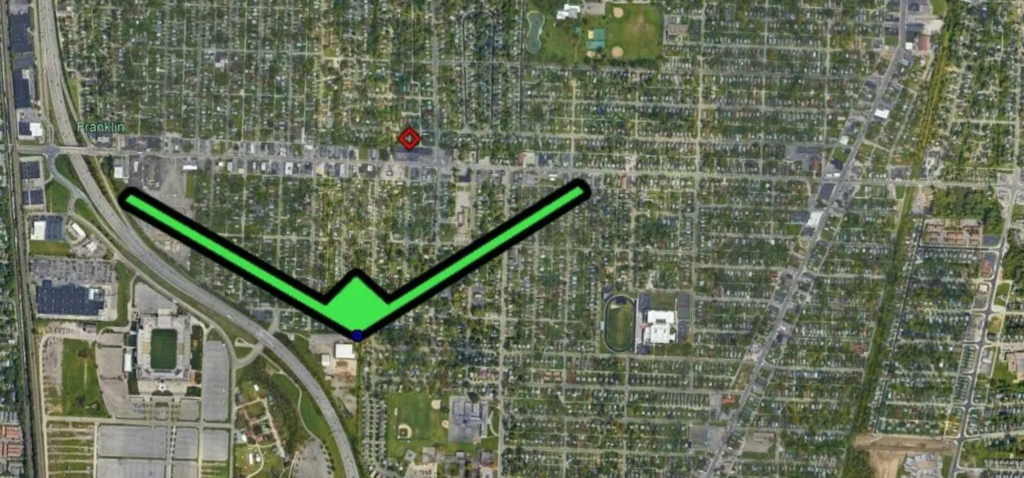
A Louisiana judge has limited what a Monroe police detective can say in court about cellphone data, ruling the officer can testify as an expert in digital forensics—but not in geolocation. The decision followed challenges from the defense over how phone records and location data are interpreted, highlighting ongoing concerns about the accuracy and limits of cellphone tracking in criminal cases. Summary of: “Judge limits Monroe detective’s testimony on cellphone geolocation in court hearing” KNOE 8 News, May 14, 2026 […]
Read More… from Judge Restricts Cellphone Location Testimony in Monroe Murder Trial
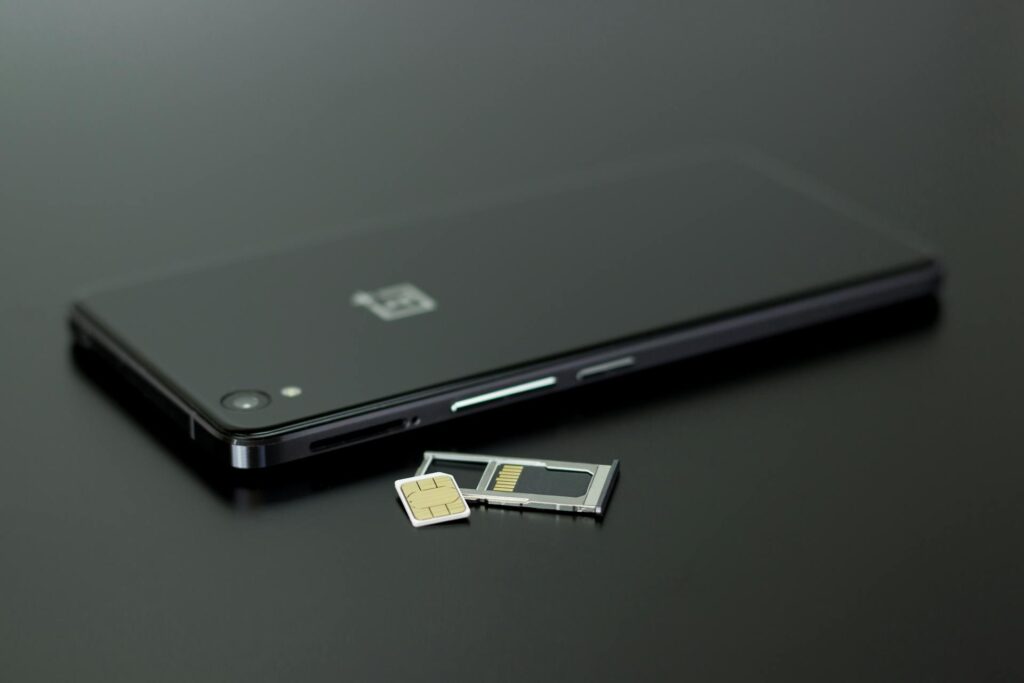
Mobile device data has become a central source of evidence in both civil and criminal cases, with smartphones containing vast amounts of information such as messages, photos, emails, and location history that can influence case outcomes. […]
Read More… from Why Mobile Data Is Transforming Modern Legal Cases—and Raising New Risks



© 2026 Granite Discovery. All rights reserved.